
AI can be used for tremendous good, not least in medicine, as well as frivolous and dangerous uses, such as exploitative online pornography. However, it also has large scale structural impacts on the very nature of our world. The levels of financial investment in AI development and the financial and environmental costs of data centres, can seem obscene, especially as climate change and political instability is threatening to tear down the apparent stability of the late 20th century. AI has intensified some of the feedback effects of digital technology creating unprecedented emergent monopolies, that leave nations as well as individuals feeling all but powerless. These are huge issues, and ones that countries, including Malaysia, are struggling to cope with. However, there are also positive actions we can take as researchers and designers to ameliorate some of the problems and in the process create better and more resilient products that really serve people.
Blog series
Section numbers refer to the full report.
- Part 1 – setting the scene
-
§1. Every industry is driven by profits and power, but there is something about the nature of AI itself, which interacts with the nature of market forces in the world that is problematic and is different from other technologies.
§2. Can any technology be neutral? AI can be used for good purposes, such as advances in healthcare. It can also have bad outcomes such as bias in the criminal justice system or online exploitative pornography. Perhaps most often it is creating the frivolous or even ugly. - Part 2 – the impact of AI
- §3. The obvious impact of AI is in the things it does directly. Some technologies also change the very nature of society, affecting even those who do not use them. Cars are an obvious example. AI is also such a technology.
- Part 3 – a different kind of apocalypse
- §4. Doomsayers worry about the point when AI becomes sentient, outgrowing its creators. The real danger is more insidious: the massive financial and human impacts of AI seem almost obscene.
- Part 4 – why is this happening?
- §5.1 & §5.2 Network externalities, the way one person’s use of AI and digital tech changes its value for others, creates positive feedback loops, leading to runaway growth and emergent monopolies, the nemesis of free markets.
- Part 5 – digital and AI breaks market economics
- §5.3 & §5.4 The very nature of digital technology and AI breaks free markets leading to runaway inequality, even with the best intentions of industry … but some tech companies further exploit these effects.
- Part 6 – should we worry?
- §6. Runaway growth of AI is not painless – opportunity costs of investment and human costs of lost jobs. Gains may be transitory – buy-now-pay-later tech risk tying users into spiralling costs.
- Part 7 – what can we do?
- §7. It all seems too big, requiring national and international responses. But we can make a difference using appropriately chosen small AI (including none). Plus, this good use of AI is good for business too.
- Part 8 – summary and recap
- §8. Recaps what we’ve learnt about the runaway nature of the AI industry, how it undermines free markets, and how we can make a difference. The core question is not what can AI do, but what should AI do?
View using Alan's Parallel Video/Slide Player
Video
Slides

|
Artificial Intelligence: humans at the heart of algorithms
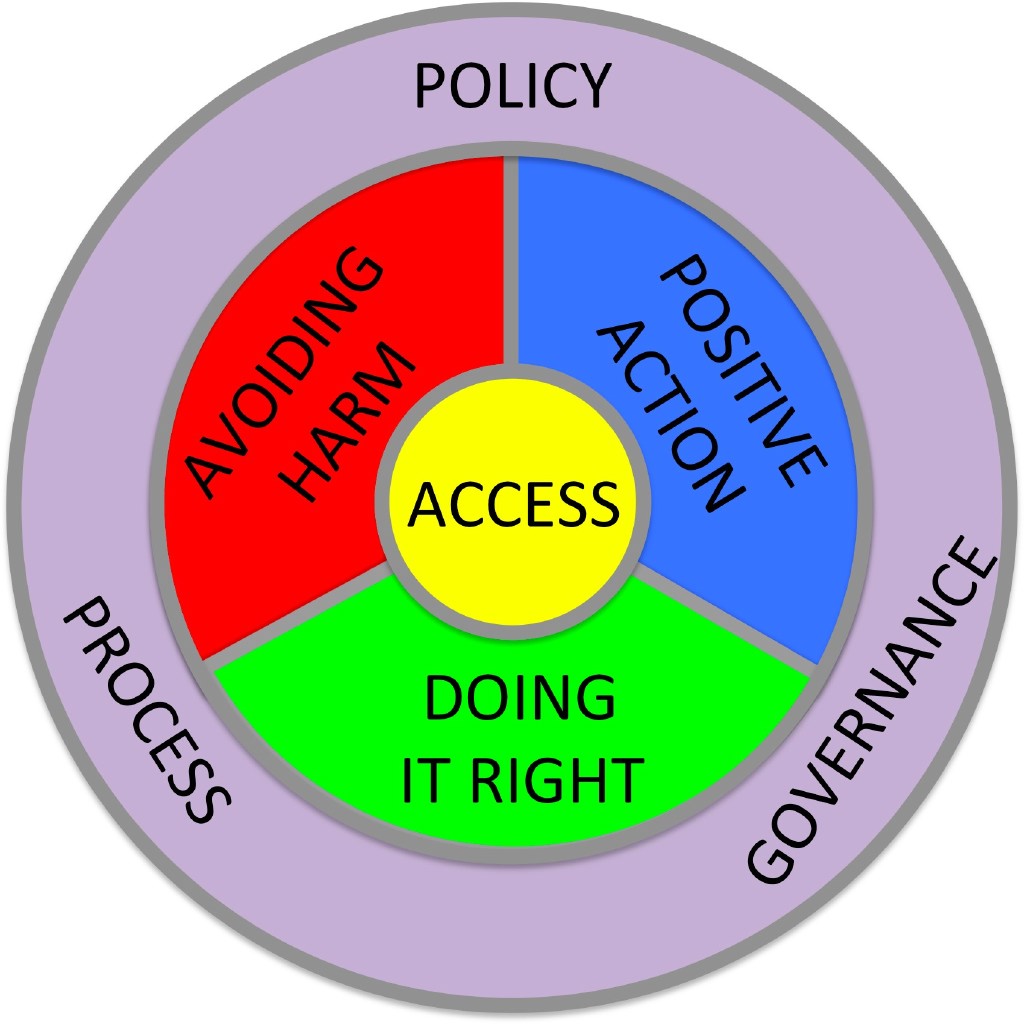
AI for Social Justice